Meat & Poultry
Click any temperature to copy it to your clipboard.
| Cut / Type | Rare | Med-Rare | Medium | Well Done | USDA Safe ✓ |
|---|---|---|---|---|---|
Beef (Steak) | 125°F | 135°F | 145°F | 160°F | 145°F |
Beef (Ground) | — | — | 160°F | 170°F | 160°F |
Beef (Roast) | 125°F | 135°F | 145°F | 160°F | 145°F |
Safe minimum internal temperatures per USDA FSIS. Rest meat 3 min after removing from heat.
Rapid Converter
Quick Presets
Formula — editing °F
°C = (°F − 32) × 5/9
K = (°F − 32) × 5/9 + 273.15
Oven Temperatures
Fan / convection ovens run ~25°F (14°C) hotter — reduce the listed temp or shorten cook time. Always preheat at least 15 minutes. Click any range to copy it.
Very Low
Meringues, drying herbs
Low
Slow roasts, casseroles
Moderate
Cakes, cookies, roasted vegetables
Hot
Bread, pizza dough, roasted chicken
Very Hot
Pizza, quick-sear roasts, broiling
Broil
Broiling, charring, finishing
Danger Zone
40°F – 140°F (4°C – 60°C)
This temperature range is where bacteria grow most rapidly — potentially doubling every 20 minutes. Keep cold foods cold and hot foods hot. Never leave food in this zone.
Safety Rules
2-Hour Rule
Never leave perishable food in the Danger Zone for more than 2 hours total — or 1 hour if ambient temperature exceeds 90°F (32°C).
Heat It Right
When reheating leftovers, bring food to an internal temperature of 165°F (74°C) throughout — not just on the surface.
Thaw Safely
Never thaw food at room temperature. Use the refrigerator, cold running water, or the microwave. Thawing on the counter sits squarely in the Danger Zone.
Don't Double-Dip
Bacteria multiply rapidly between 40°F–140°F, doubling every 20 minutes. A 4-hour window can push benign food to dangerous levels.
Cooking Methods
Each method operates within a specific temperature range. Click any range to copy. Intensity bars show heat level relative to cooking extremes.
Searing
EXTREMEUse a screaming-hot pan, don't crowd it
Grilling
EXTREMEDirect heat for thin cuts, indirect for thick
Roasting
HIGHLet meat rest 10 min after removing
Deep Frying
HIGHMonitor oil temp constantly, avoid overcrowding
Air Frying
HIGHShake basket halfway for even browning
Smoking
MEDIUMLow and slow — patience is the key
Braising
MEDIUMSear first, then cook covered in liquid
Steaming
MEDIUMKeep water at a steady boil, don't lift lid
Sous Vide
LOWPrecision counts — ±1°F makes a difference
Oil Smoke Points
Heating oil past its smoke point causes it to break down, releasing harmful compounds and bitter flavours. Click any temperature to copy it. Sorted highest → lowest.
Sugar Stages
Sugar transforms dramatically with heat. Each stage unlocks different textures and uses. Use a candy thermometer — even a few degrees can change everything. Click any temperature to copy it.
Hot sugar burns are severe. Have a bowl of ice water nearby and never leave boiling sugar unattended. Keep children away from the cooking area.
Thread
Texture
Thin, liquid threads
Used For
Syrups, glazes
Soft Ball
Texture
Soft, pliable ball
Used For
Fudge, fondant, pralines
Firm Ball
Texture
Firm but flexible ball
Used For
Caramels, marshmallows
Hard Ball
Texture
Rigid, dense ball
Used For
Nougat, gummies, rock candy
Soft Crack
Texture
Flexible, bends then snaps
Used For
Taffy, butterscotch
Hard Crack
Texture
Brittle, snaps clean
Used For
Lollipops, toffee, brittle
Caramel
Texture
Amber liquid, bittersweet
Used For
Caramel sauce, praline, croquembouche
Baking Temperatures
Internal temperature is the most reliable doneness test for baked goods — far more accurate than visual cues alone. Insert your thermometer in the centre, avoiding the pan. Click any temperature to copy it.
| Item | Internal Temp |
|---|---|
| Yeast Bread | |
| Sourdough | |
| Quick Bread | |
| Dinner Rolls | |
| Enriched Bread |
| Item | Internal Temp |
|---|---|
| Cake | |
| Cheesecake | |
| Custard / Flan | |
| Brownies | |
| Cookies |
Insert thermometer dead-centre, not near the pan walls.
Check temp 10–15 min before the recipe's listed end time.
Fan / convection ovens: reduce oven temp by ~25°F (14°C).
Beverage Temps
Serving temperature dramatically affects flavour. Coffee served too hot burns; red wine too cold loses aromatics. Click any card's temperature to copy it.
Coffee & Tea
Espresso
Extracted at 190–200°F
Drip Coffee
Brew at 195–205°F
Green Tea
Brew at 170–180°F
Black Tea
Brew at 200–212°F
Herbal Tea
Brew at 212°F
Beer
Light Lager
Very cold, crisp
Pilsner
Cold, refreshing
Pale Ale / IPA
Cool, aromatic
Stout / Porter
Cellar temp, full body
Belgian Strong
Cellar temp, complex
Wine
Sparkling Wine
Well chilled
White Wine
Chilled but not ice cold
Rosé
Crisp and refreshing
Light Red
Slightly cool
Full-bodied Red
Room temp (cellar)
Other
Hot Chocolate
Warm and comforting
Cold Brew
Over ice
Fun Facts
Temperature is physics. Here are some curiosities that will make you a more intentional cook — and great dinner conversation.
The Maillard reaction begins at ~280°F (138°C), creating the browned crust on bread and meat.
A wood-fired pizza oven runs at 800–900°F — 400°F hotter than your home oven.
Eggs begin to coagulate at 144°F — just a few degrees determines soft vs. hard scramble.
Water boils at 212°F at sea level, but only 202°F in Denver due to altitude.
A well-seasoned cast iron skillet can reach 700°F on a home burner — hotter than most ovens go.
Tempering chocolate requires precise control between 82–90°F — a 8° window for perfect snap.
Why Temperature Precision Matters
At the molecular level, proteins denature, starches gelatinise, and fats oxidise all at specific temperatures. A 5°F variance can mean the difference between a perfectly seared crust and steamed grey meat — or a silky custard vs. a grainy scrambled egg.
Recommended Gear
The right thermometer changes everything. To help you hit the temperatures in this guide, we've rounded up some of the top-rated options based entirely on positive customer reviews. Accuracy listed is manufacturer-specified.
Affiliate disclosure: Some links on this page are affiliate links. If you make a purchase through them, CookingTemps.com may earn a small commission at no extra cost to you. Shopping through these links helps support the site so we can keep creating helpful guides—thank you!
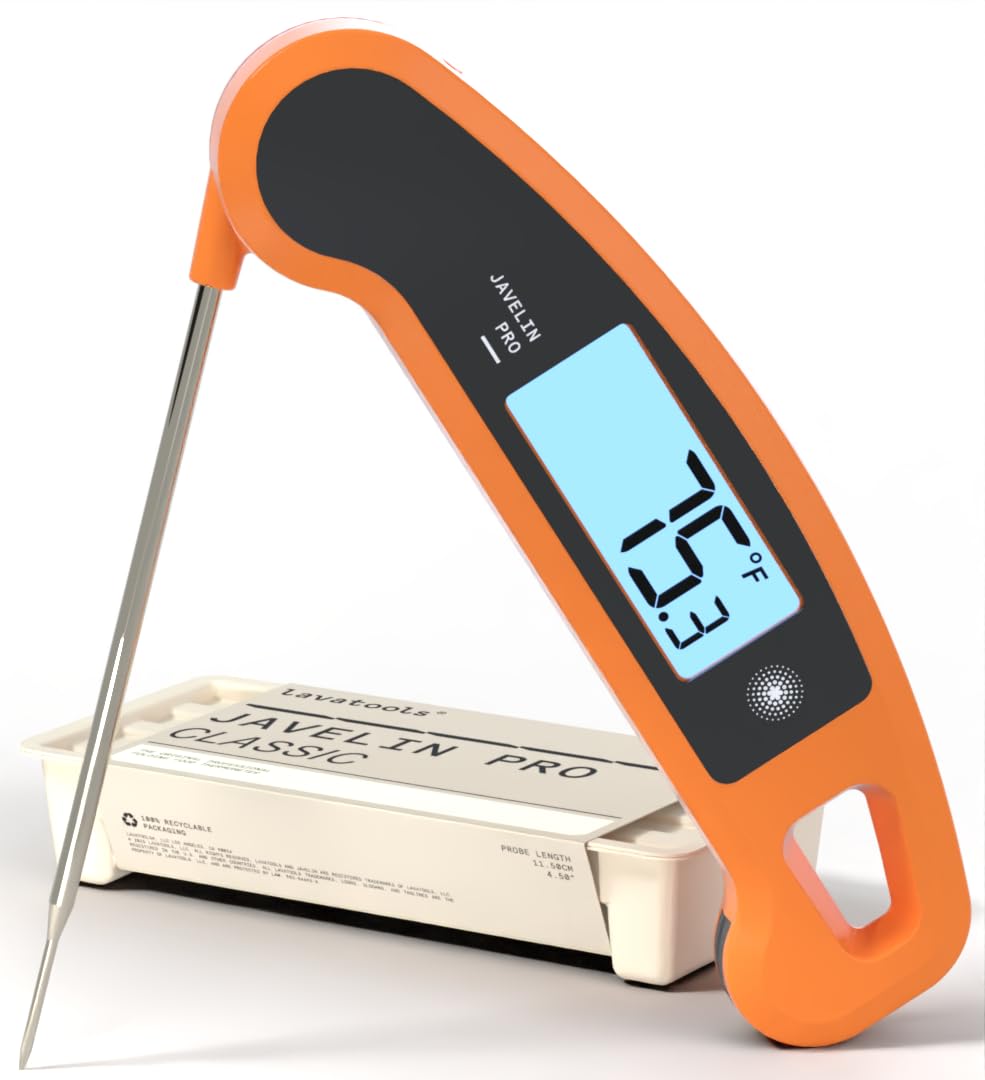
Lavatools Javelin Pro Duo
Fast, accurate, backlit display, magnetic back.
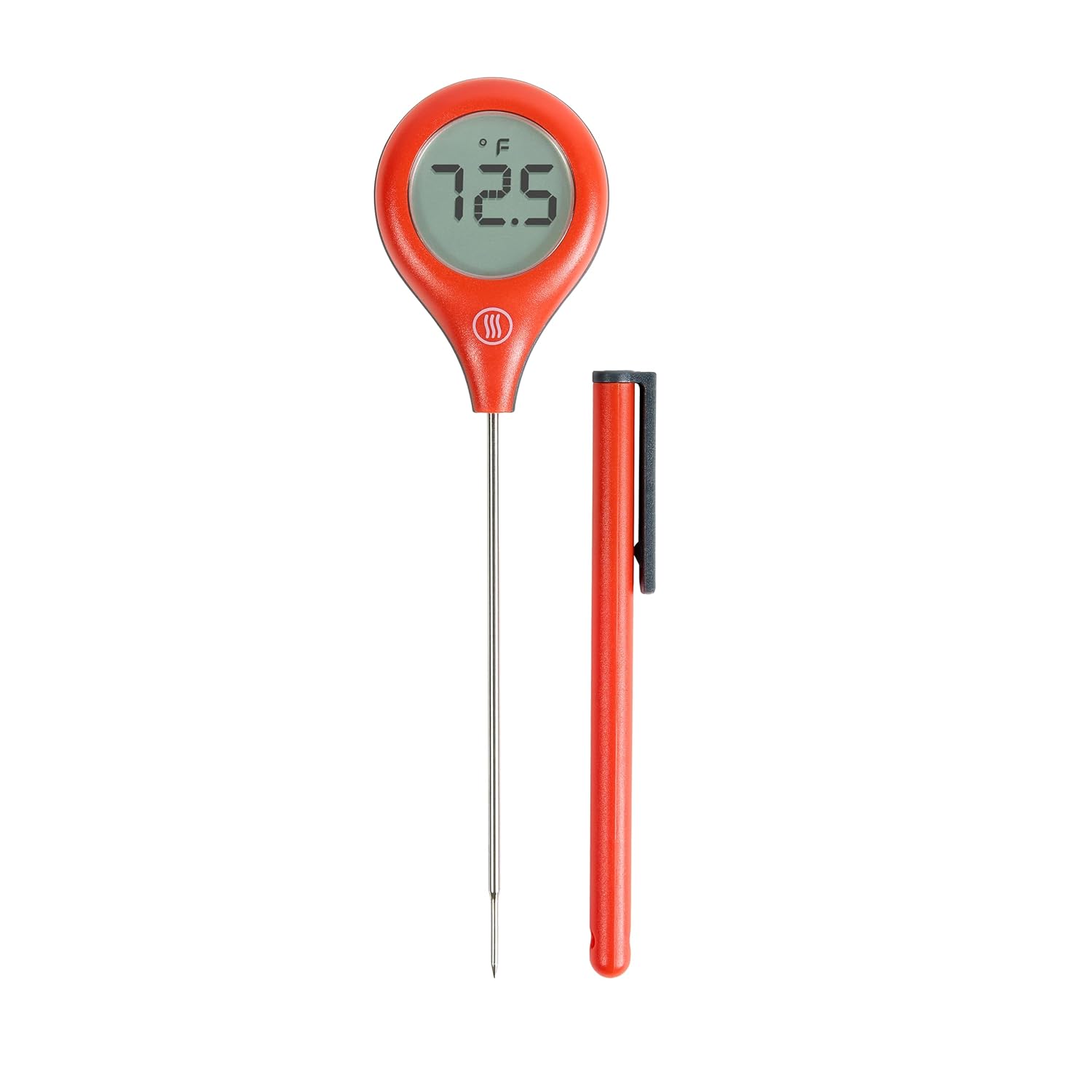
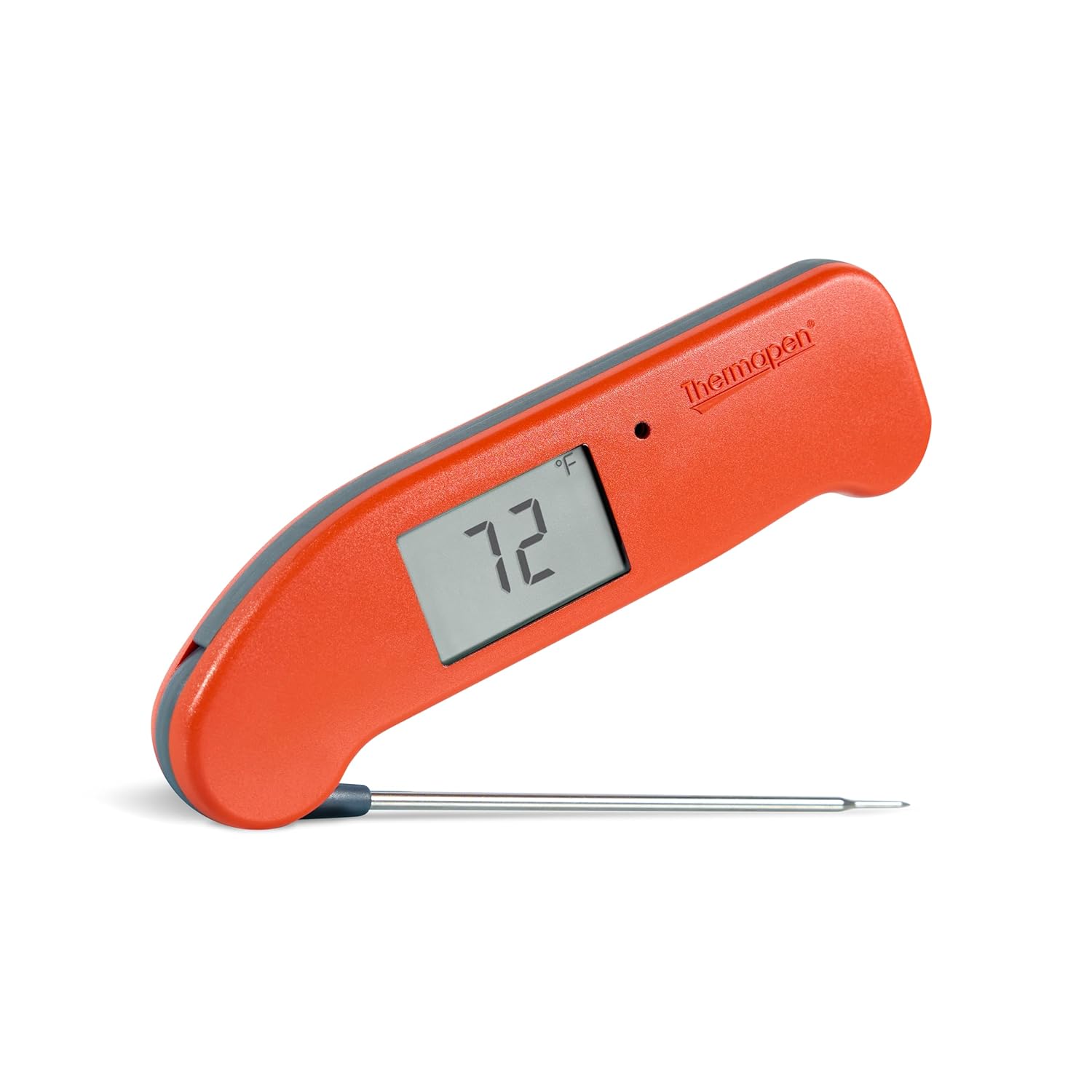
ThermoWorks Thermapen One
Extremely fast and accurate, waterproof, 5-year warranty.
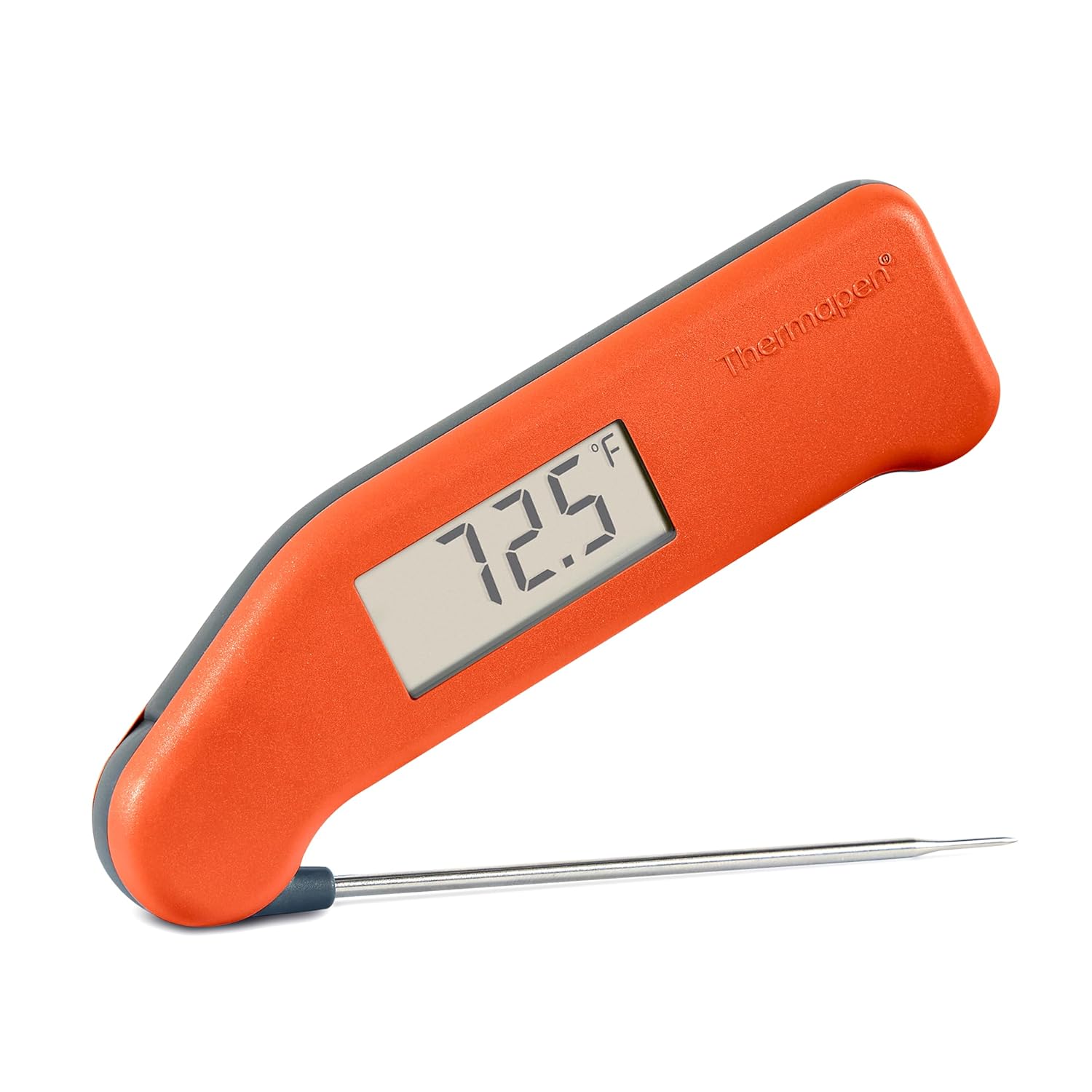
ThermoWorks Classic Thermapen
The industry standard for chefs.
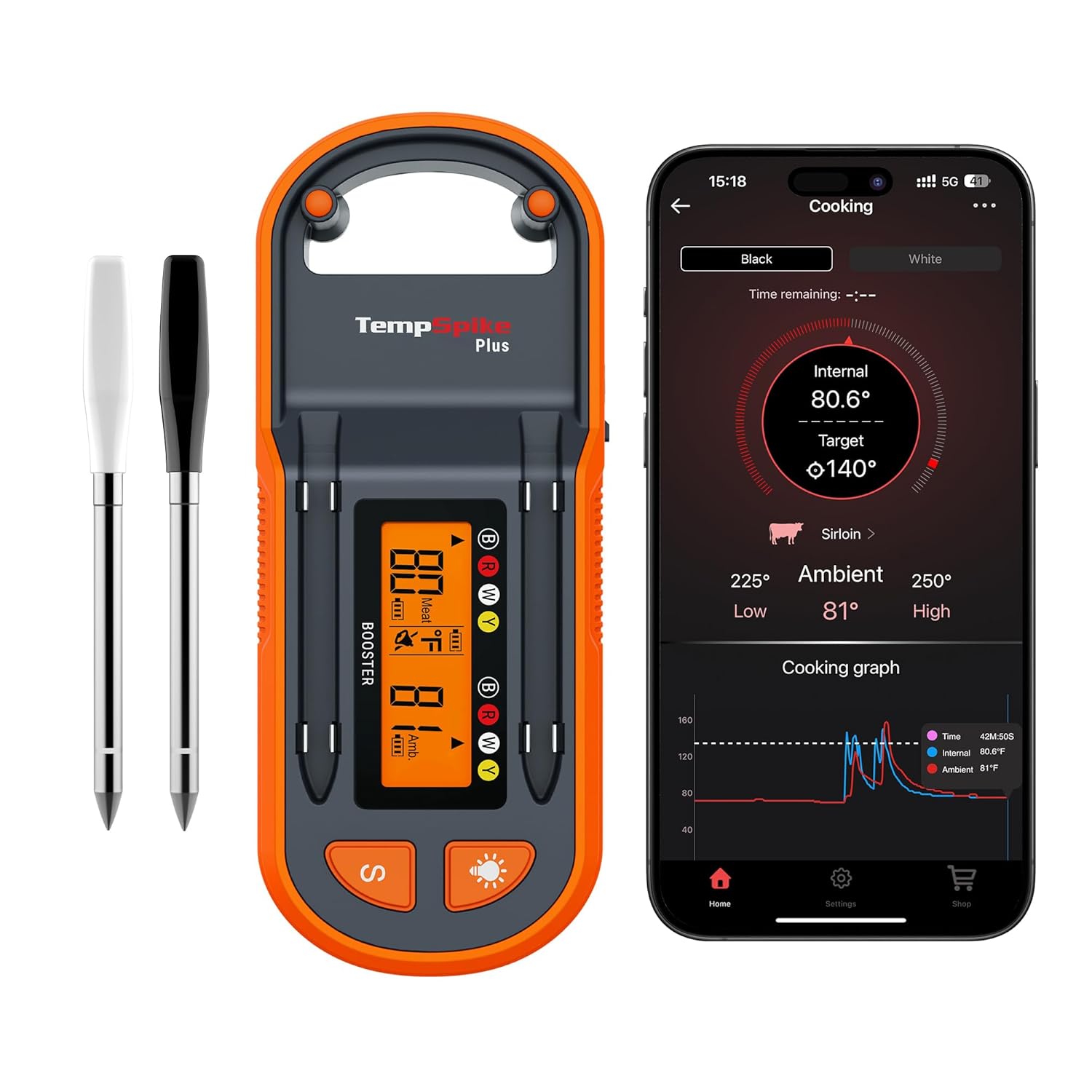
ThermoPro TP972 Twin TempSpike Plus
Fully wireless, dual probes, Bluetooth connectivity.
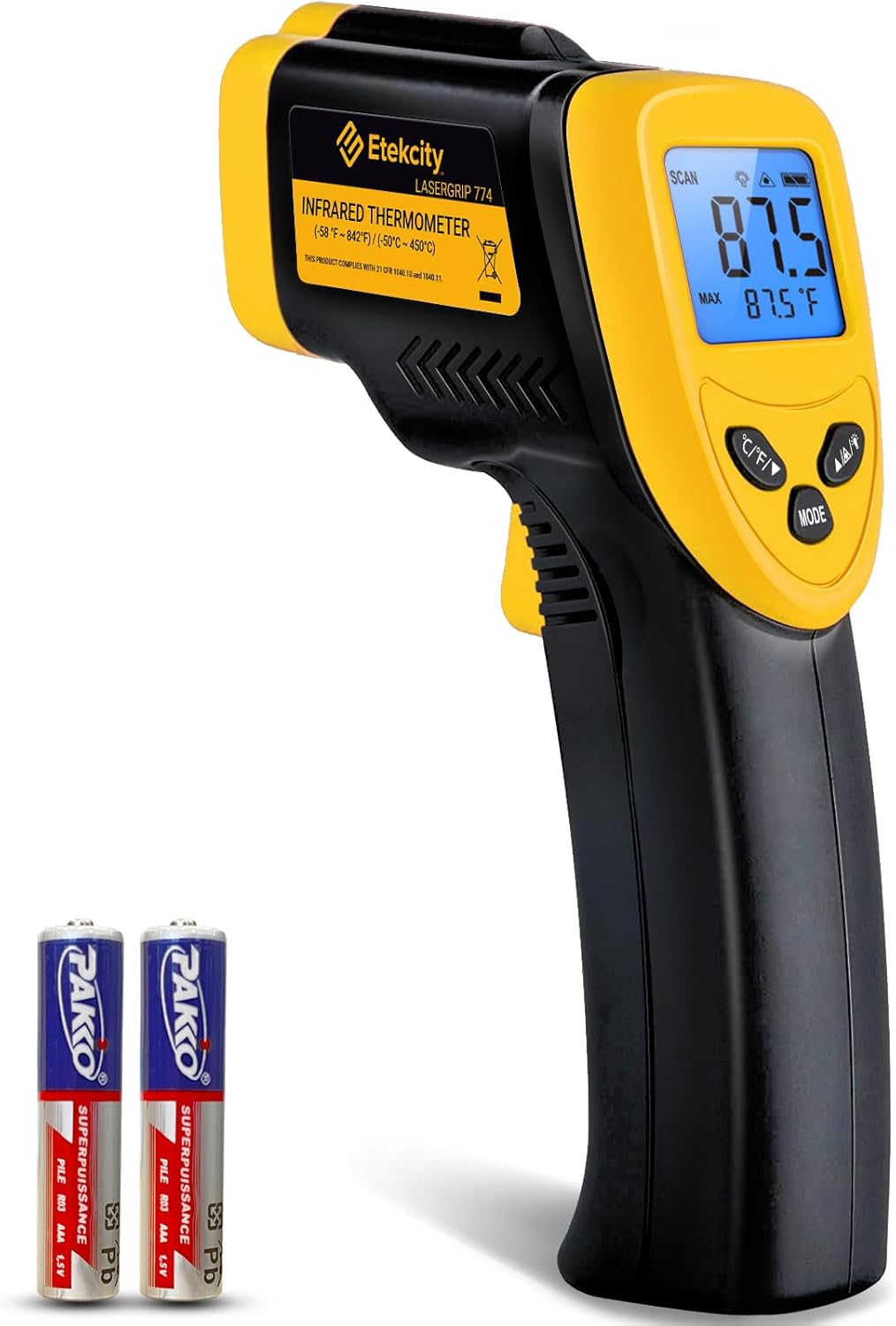
Etekcity Infrared Thermometer 774
Non-contact, instant surface temperature readings.
Prices subject to change · Links open Amazon / brand sites