The Master Guide to Cooking Temperatures for Meat
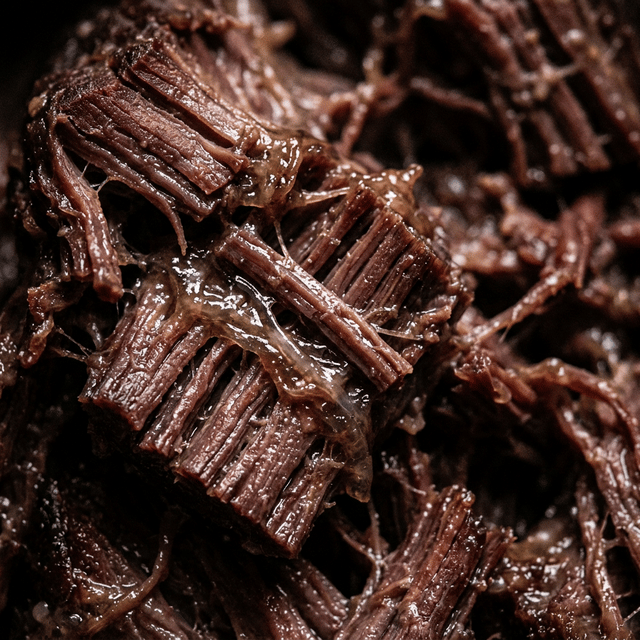
An overarching look at exactly how meat cooks: unraveling the mysteries of actin, myosin, and collagen break-down.
Myosin and Actin: The Journey of Firmness
Cooking meat is an exercise in managing two critical proteins: Myosin and Actin. As meat heats up, myosin begins to denature and unfold around 120°F (49°C), changing the meat from raw and squishy to firm and opaque.
At roughly 150°F (65°C), actin begins to denature heavily. This is the danger zone for lean cuts—as actin tightens, it aggressively squeezes out moisture, turning a juicy steak into dry, grey cardboard. Accurate, instant readings are essential to prevent this; a tool like the ThermoWorks Thermapen One is indispensable for avoiding the 'actin squeeze'. For more on the chemistry of browning, explore the science behind the Maillard reaction.
Collagen and the BBQ Stall
For tough, working muscles (Brisket, Pork Shoulder, Chuck Roast), the goal is completely different. These meats are loaded with tough connective tissue known as collagen (similar to the dark meat of a bird, which we cover in our turkey guide). If you cooked a brisket to 130°F, it would be as tough as leather.
Collagen only begins to slowly melt into luscious gelatin at prolonged temperatures above 160°F (71°C). When smoking, the internal temperature will often stall around 165°F for hours as moisture evaporates and cools the surface. Eventually, the meat will push through, arriving at the barbecue nirvana of 195°F–205°F, where the collagen has fully rendered. Tracking this hours-long process is best done with a leave-in probe like the TempSpike Plus.
Affiliate disclosure: Some links on this page are affiliate links. If you make a purchase through them, CookingTemps.com may earn a small commission at no extra cost to you. Shopping through these links helps support the site so we can keep creating helpful guides—thank you!